
Handyman Software
How do you schedule a full day of handyman jobs without wasting drive time?
How to sequence jobs, batch by area, and build a realistic day that spends time on work, not the road.
Practical, honest advice from the team behind HandyPlanr, written to help you do this well.
How to sequence jobs, batch by area, and build a realistic day that spends time on work, not the road.

How to structure a clear, trustworthy estimate that gets a yes without racing to the bottom on price.

The real reasons quotes go cold and the simple fixes that convert more of them into jobs.

Timing and tone for following up on estimates so you recover jobs without being pushy.

How to prioritize jobs by profit, reliability, and relationship when you cannot take them all.

A grounded way to price a half-day job by your rate, materials, and minimums so you do not lose money.
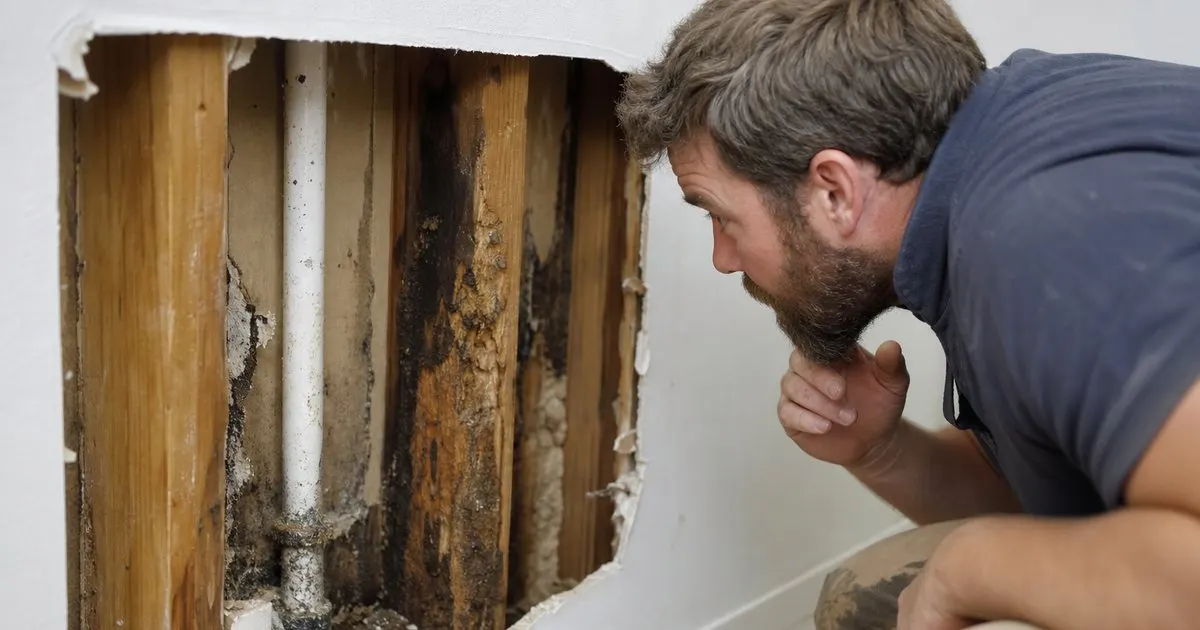
How to handle scope creep and overruns fairly so you protect both the customer relationship and your pay.

A simple system for keeping every open estimate visible and moving so warm leads do not go cold.

The elements a quote needs so scope, price, and expectations are clear before the work begins.

Deposits protect your calendar and your materials budget, but asking at the wrong moment costs you jobs. Here is a practical rule set for when to ask, how much, and how to say it.

A same-day cancellation blows a hole in your day and your income. Here is how to respond in the moment, recover the hours, and set terms so it happens less often.

Too little buffer and one slow job wrecks the whole day. Too much and you leave money on the table. Here is how to size the gap by job type, distance, and how well you know the customer.

The twenty-minute job is never twenty minutes once you count the drive, the setup, and the conversation. A minimum charge keeps small work profitable without turning customers away.

Photo quotes save you hours of unpaid driving, but they also hide the surprises that wreck a price. Here is how to decide job by job, and how to protect yourself when you quote remotely.

A fifteen-item list looks like a full day. It is usually two. Here is how to break it down, price the hidden time, and present it so the customer sees the value.

Property managers are the steadiest handyman income there is, as long as you never miss a turnover or a walk-through. Here is how to structure the schedule, the communication, and the paperwork so the relationship lasts.

Customer-supplied materials can be a favor or a trap. Here is what shifts in your quote, your schedule, and your warranty, and how to set terms that keep the job clean.

A quote you sent in July comes back accepted in September. Material prices moved, your calendar filled, and the job may not be the same. Here is how to say yes without losing money or the customer.

A month-old repair that fails is a test of your process, not just your workmanship. Here is how to triage the call, protect your booked week, and stop the same callback from happening twice.

Slow payment is usually a paperwork habit, not a difficult customer. The fix is sending sooner, itemizing clearly, agreeing terms up front, and chasing on a schedule instead of a mood.