When should a handyman follow up on a quote that has gone quiet?
Timing and tone for following up on estimates so you recover jobs without being pushy.
Reach out a few days after sending, once the customer has had time to review but before they hire someone else. A friendly check-in asking if they have questions works well. If there is still no reply, one more follow-up a week later is reasonable before letting it rest.
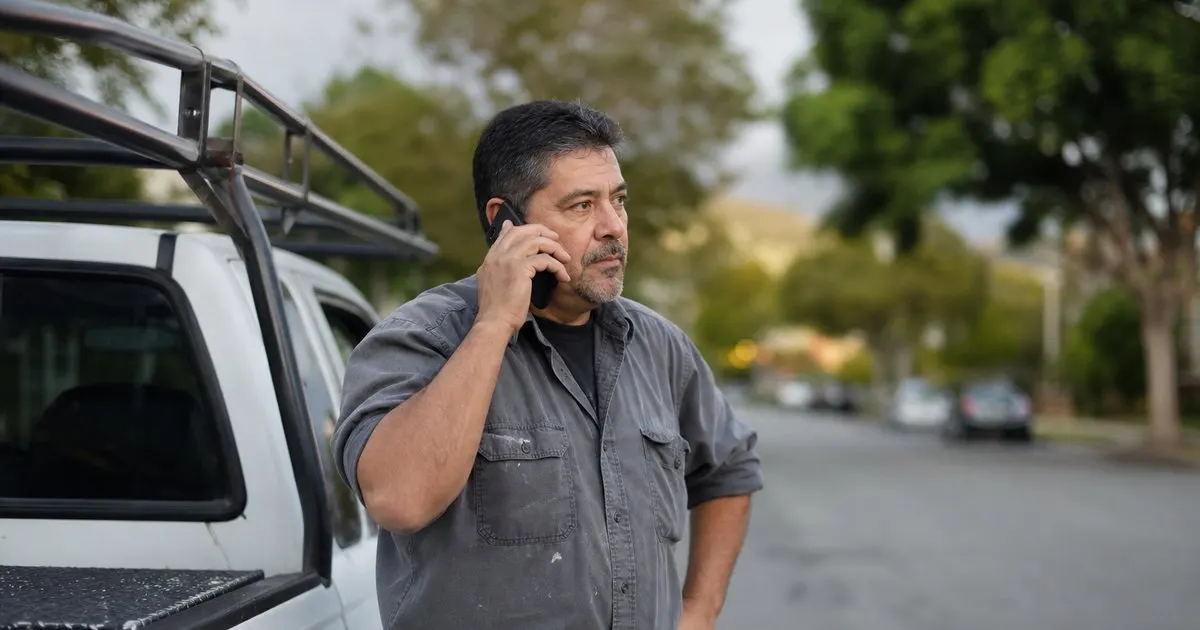
Follow up within a few days
The sweet spot for a first follow-up is a few days after sending the quote, long enough that the customer has had time to consider it, short enough that the job is still fresh in their mind. Wait two weeks and the interest has cooled and they may have hired someone else. A prompt, friendly check-in catches them while the decision is still open. Related: How do you quote a long customer punch list without underpricing it?
This first nudge recovers more jobs than anything else you can do. It is not pushy, it is normal business, and many customers actually appreciate the reminder because the quote had slipped down their list. Related: Why do so many handyman estimates never turn into booked paying work?
Keep reading: How do you schedule a full day of handyman jobs without wasting drive time?, What is the best way to write a handyman quote that wins the job?, Why do so many handyman estimates never turn into booked paying work?. See how HandyPlanr helps you handyman job scheduling and quote tracking.
Keep the tone helpful, not desperate
A good follow-up sounds like a professional checking in, not a salesperson chasing a commission. A simple message asking whether they had any questions about the estimate or would like to get on the schedule invites a response without pressure. Desperation repels, helpfulness reassures. Related: How do you schedule a full day of handyman jobs without wasting drive time?
Framing it around their needs works best. Offering to answer questions or adjust the scope makes the follow-up feel like service, which is exactly the impression you want to leave whether or not they book.
Know when to make a second touch
If the first follow-up goes unanswered, one more touch a week or so later is reasonable, perhaps noting your availability is filling up or offering to hold a slot. Beyond two or three attempts, though, you risk annoying them, and it is better to leave the door open than to push them away.
Reading the response guides this. A customer who says they are still deciding deserves patience, while total silence after two tries usually means it is time to move on and put your energy into fresher leads.
Let reminders drive the timing
The reason follow-ups do not happen is that busy handymen forget, not that they decide against it. The job is on to the next task and the quiet quote never gets the check-in it needed. A reminder tied to each quote removes the memory problem entirely.
HandyPlanr flags quotes that have gone quiet and reminds you to follow up at the right time, so the check-in that recovers a job actually happens instead of getting lost in a busy week. Related: Why do handyman invoices sit unpaid for weeks when the work itself was finished on time?
- Send the first follow-up within a few days.
- Keep the tone helpful, not desperate.
- Limit yourself to two or three touches.
- Use reminders so follow-ups actually happen.

Julien Jimenez
Julien Jimenez is an independent software builder based in Paris. He designs, ships, and operates focused SaaS products for small businesses and independent professionals. Read the full author page.
Frequently asked questions
How many times should you follow up?
Usually one or two touches are enough. A check-in a few days out and a second a week later covers most cases. Beyond that, repeated messages annoy more than they help.
What should a follow-up message say?
Keep it short and helpful: confirm the quote arrived, offer to answer questions, and note your availability. Avoid pressure or discount begging, which can cheapen your value in the eyes of the customer.
Book The Day, Close The Quote
Handyman job scheduling and quote tracking. HandyPlanr is built to help you put this into practice.
Start free trialMore from the HandyPlanr blog
Get the HandyPlanr playbook
Practical guides on handyman software, straight to your inbox as we publish them. No spam, unsubscribe any time.