Why do handyman invoices sit unpaid for weeks when the work itself was finished on time?
Slow payment is usually a paperwork habit, not a difficult customer. The fix is sending sooner, itemizing clearly, agreeing terms up front, and chasing on a schedule instead of a mood.
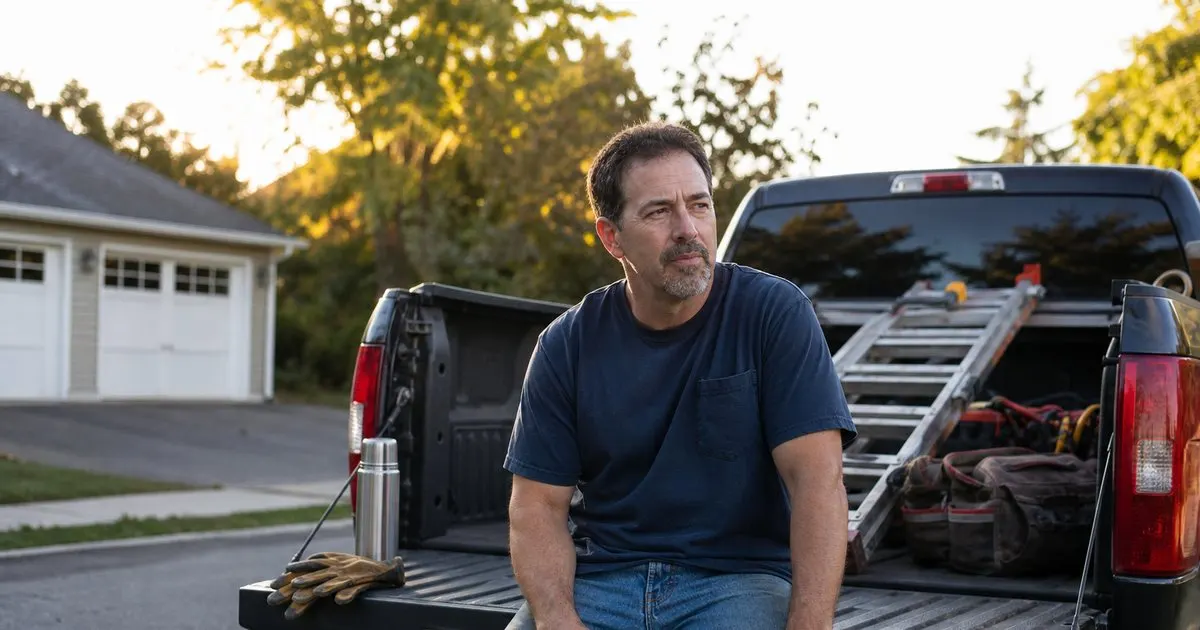
The invoice is usually later than the customer is
Ask a handyman when he invoiced and the honest answer is often that weekend, or whenever he got a minute. A job finished on Tuesday and billed on Sunday has already given away five days before the customer has done anything wrong. Payment timelines start when the bill arrives, not when the work ends, so an invoice sent from the driveway is functionally a week ahead of the identical invoice sent from the couch. The customer is not slow yet. You are. Related: Why do so many handyman estimates never turn into booked paying work?
There is a second cost to that delay, and it is momentum. On the day of the job the customer watched you work, saw the result, and felt good about the money. That hour is the moment they are most willing to pay. Wait a week and your bill lands next to the utility statement, in a pile, in a mood that has nothing to do with the ceiling fan you hung. Same amount of money, much weaker pull, much longer wait. Related: What should a handyman do when a customer cancels the morning of the job?
Keep reading: How do you schedule a full day of handyman jobs without wasting drive time?, What is the best way to write a handyman quote that wins the job?, Why do so many handyman estimates never turn into booked paying work?. See how HandyPlanr helps you handyman job scheduling and quote tracking.
Vague line items give people a reason to pause
A single line reading labor and materials with one total is the most common unpaid invoice we hear described. It is rarely that the customer doubts the number. It is that they cannot check it, and people quietly postpone anything they cannot check. Break the same total into the tasks you actually did, the hours or flat price attached to each, and the materials with their real cost. Nothing changes about what you earn, but now the customer nods down a list instead of staring at one lump sum.
The same discipline applies to anything added during the day. If you replaced a rotted piece of trim you discovered while doing something else, that item needed to be approved on site and then named on the invoice using the same words you said out loud in the hallway. Surprises on paper are the leading cause of let me look at this and get back to you, which is where invoices go to die. Approve verbally, write it down, bill it in plain language.
Terms only work if the customer heard them before the work started
Net 15 printed at the bottom of an invoice the customer is reading for the first time is not a term, it is a wish. Terms belong on the quote, said out loud at the walkthrough and written where they cannot be missed: when payment is due, which methods you accept, whether a deposit applies, and what happens if payment is late. Customers almost never argue with conditions they agreed to before you picked up a tool. They argue with conditions that appear afterward. Related: When should a handyman ask for a deposit before starting a booked job?
Then make paying easy in the direction the customer already leans. Card, bank transfer, or a check left on the counter, whatever it is, they should be able to finish it in under a minute without calling you for an account number. Every extra step you leave in the way adds days to your average. Deposits help for the same reason: a job that already has money attached to it gets closed out faster than one where the entire balance is still an open decision.
A short, boring chase routine beats an awkward phone call
Most handymen chase invoices emotionally. They wait until they are annoyed, then send something that reads as annoyed, and the relationship takes damage that the money does not justify. Replace that with a schedule you never have to think about: a friendly reminder a few days after the due date, a firmer one a week later, a phone call at two weeks, and a real decision point at thirty days. The tone stays even because the routine is doing the talking, not your Friday mood.
Keep the list somewhere you look every week rather than in your head. An unpaid invoice you have forgotten about is not a payment problem, it is a tracking problem, and tracking problems compound quietly across a year. Fifteen minutes on a Friday spent scanning what is outstanding, what is overdue, and what needs a call will usually recover more money than a rate increase, and it costs you nothing but the habit of actually opening the list. Related: How do you track outstanding quotes so no potential job slips away?
- Send the invoice from the driveway on the day of the job, not from the couch on Sunday.
- Itemize tasks and materials so the customer can check the number instead of parking it.
- Put payment terms and accepted methods on the quote and say them out loud at the walkthrough.
- Run the same reminder schedule on every late invoice so chasing never depends on your mood.

Julien Jimenez
Julien Jimenez is an independent software builder based in Paris. He designs, ships, and operates focused SaaS products for small businesses and independent professionals. Read the full author page.
Book The Day, Close The Quote
Handyman job scheduling and quote tracking. HandyPlanr is built to help you put this into practice.
Start free trialMore from the HandyPlanr blog
Get the HandyPlanr playbook
Practical guides on handyman software, straight to your inbox as we publish them. No spam, unsubscribe any time.