What is the best way to handle a quote accepted weeks after it was sent?
A quote you sent in July comes back accepted in September. Material prices moved, your calendar filled, and the job may not be the same. Here is how to say yes without losing money or the customer.
First, check whether the quote is still true
Before you say yes, reread it as if a stranger wrote it. Are the material prices you used still what your supplier charges? Did the quote include a specific product that may no longer be available? Was the scope tied to conditions that could have changed, like a roof leak that has now been dripping for two more months? Is your labor rate the same as it was then? A quote that was accurate in July can quietly be wrong in September in three or four small ways that add up. Related: How much should a handyman charge for a small half day repair job?
Then check the calendar. The customer is picturing the timeline you talked about when you quoted, which may have been "next week." Your next open window for a job that size may now be a month out. Better to say so immediately, before the customer has told their spouse that the deck gets fixed this weekend. A clear date, even a distant one, is easier to accept than a vague "soon" that turns into a disappointment.
Keep reading: How do you schedule a full day of handyman jobs without wasting drive time?, What is the best way to write a handyman quote that wins the job?, Why do so many handyman estimates never turn into booked paying work?. See how HandyPlanr helps you handyman job scheduling and quote tracking.
How to respond without souring the win
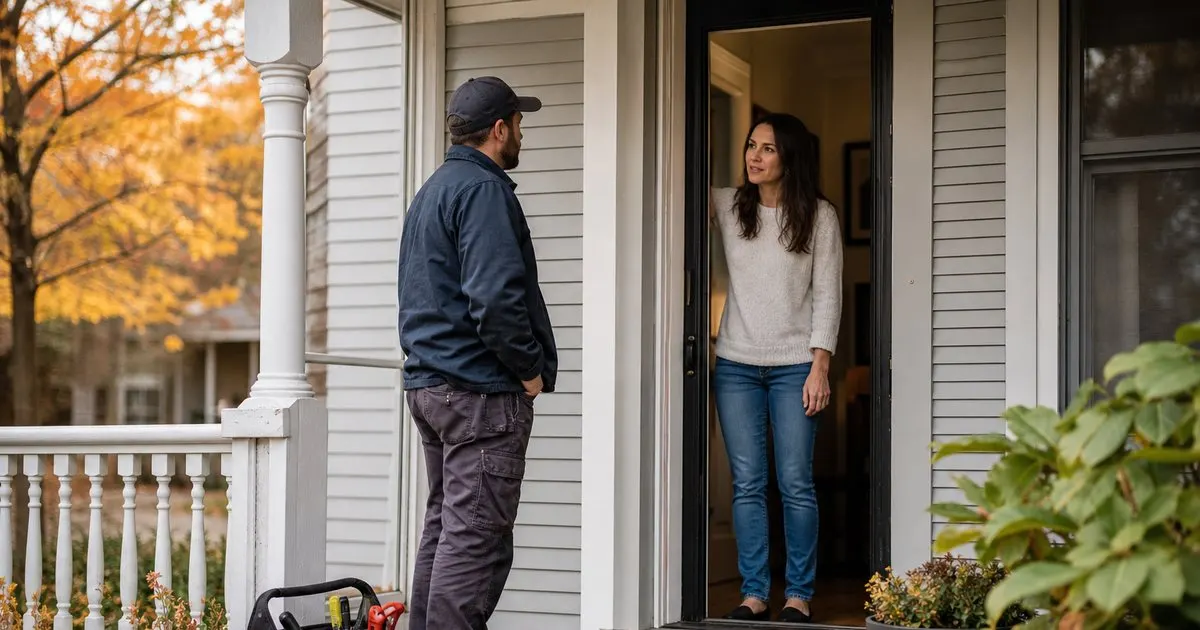
Lead with the good news and make the rest easy. "Great, glad to do it. Two quick things: I need to reconfirm material pricing since it has been a couple of months, and my next opening for this is the week of the fourteenth. Does that work?" This is honest, fast, and it does not sound like you are backing out. The customer who just accepted wants reassurance that they made the right call, not a lecture about validity periods.
If the price needs to move, explain the specific reason and keep the change proportional. "The vanity you picked went up at my supplier; the labor is unchanged" is a sentence people accept. A vague "prices have gone up" is not, and neither is a large jump on a quote that carried no expiration date. If the increase is small, consider absorbing it and saying so; the goodwill usually outlasts the few dollars. Related: When should a handyman follow up on a quote that has gone quiet?
Re-confirming the scope before you schedule
Ask a couple of questions that surface changes. "Is everything on the quote still what you want done, and has anything changed at the house since I was there?" Customers frequently add or drop items during the wait, and some have had the most urgent piece fixed by someone else already. Better to find out now than to arrive with a full day planned for a job that shrank to a morning, or a morning planned for a job that grew.
For anything that depended on site conditions, consider a quick re-visit, especially if the original quote involved water, wood, or anything that gets worse when ignored. Frame it as protecting the price: "I want to make sure the number I gave you still holds before we book the day." Customers rarely object, and you will occasionally catch a problem that has doubled in size, which is far better caught before the job than during it.
Setting a validity period so this happens less
Every quote should carry a date it expires, typically a few weeks for standard work and shorter when material prices are volatile or availability is uncertain. This is not about pressuring the customer; it is about making the conversation above unnecessary. When a quote says it is valid for thirty days, a customer who comes back on day sixty already expects to reconfirm, and the reconfirmation feels routine instead of like a renegotiation. Related: What details should every handyman job quote include to avoid later disputes?
Pair the expiration with a follow-up rhythm so fewer quotes go stale in the first place. A brief check-in before the quote expires, offering to hold the price if they book by the date, converts many of the ones that would otherwise come back late. HandyPlanr flags quotes approaching their expiration so the check-in is not left to memory, but a weekly review of open quotes with a calendar reminder covers the same ground. The goal is fewer surprises for you and fewer for the customer. Related: Why do so many handyman estimates never turn into booked paying work?
- Reread an old quote for material prices, product availability, changed site conditions, and your current rate before accepting.
- Say yes warmly, then state the two facts that changed: reconfirmed pricing and your real next opening.
- Ask whether the scope or the house has changed, and re-visit if the job involved water, wood, or anything that worsens over time.
- Put an expiration date on every quote and check in before it lapses so late acceptances become rare.

Julien Jimenez
Julien Jimenez is an independent software builder based in Paris. He designs, ships, and operates focused SaaS products for small businesses and independent professionals. Read the full author page.
Book The Day, Close The Quote
Handyman job scheduling and quote tracking. HandyPlanr is built to help you put this into practice.
Start free trialMore from the HandyPlanr blog


Get the HandyPlanr playbook
Practical guides on handyman software, straight to your inbox as we publish them. No spam, unsubscribe any time.